
From the Bush / History
Pilgrim's Rest: The History of South Africa's Gold Rush Town
From the 1873 gold rush to living museum
Tucked into a green valley on the Drakensberg escarpment, Pilgrim's Rest looks much as it did a century ago — tin-roofed cottages, a Victorian hotel and a main street that once echoed with diggers, wagons and gold. It was one of South Africa's first gold rush towns, and today the whole village is a protected heritage site. Here's the history of Pilgrim's Rest, the stories behind it, and how to visit from Hoedspruit.
Pilgrim's Rest History at a Glance
| Year | What happened |
|---|---|
| Early 1870s | Alec "Wheelbarrow" Patterson finds alluvial gold in Pilgrim's Creek |
| September 1873 | The area is officially proclaimed a goldfield |
| 1874 | Around 1,500 diggers are working some 4,000 claims |
| Mid-1890s | Small mining companies merge into Transvaal Gold Mining Estates (TGME) |
| 1899–1902 | During the Anglo-Boer War, a Boer field mint strikes gold coins known as Veld Ponds |
| 1911 | A hydro-electric power station brings electricity — one of the first towns in South Africa to have it |
| 1912 | The last stagecoach robbery in South Africa takes place near the town |
| Early 1970s | TGME stops mining and the town is sold to the government |
| 1986 | The entire village is declared a national monument |
The Gold Rush Begins (1873)
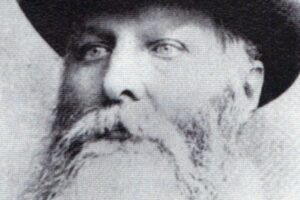
In the early 1870s, gold had already drawn prospectors to the MacMac diggings on the escarpment. As the claims there grew crowded, a Scottish prospector called Alec Patterson — nicknamed "Wheelbarrow" because he pushed his belongings around in one — went looking for quieter ground. In a small stream in the next valley, he found gold.
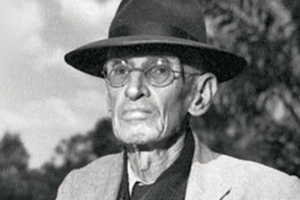
Patterson tried to keep his find quiet, but it didn't last. Another digger, William Trafford, struck gold nearby, word spread, and diggers poured in from across Southern Africa and the world. The area was officially proclaimed a goldfield in September 1873, and by early 1874 some 1,500 diggers were working around 4,000 claims along the creek.
How Pilgrim's Rest Got Its Name
The most popular story is that, after years of moving from one diggings to the next, the prospectors who arrived here felt they had finally found a place to stay — their wandering was over and the "pilgrims" were at rest. William Trafford is often credited with giving the town its name. Whether or not it happened exactly that way, the name stuck.
From Diggers to Mining Companies
The easy alluvial gold in the creek didn't last. By the 1880s most of the individual diggers had moved on, and mining companies with heavy machinery took over to reach the gold buried deeper in the rock. In the mid-1890s, several of these companies merged to form Transvaal Gold Mining Estates (TGME), which would run the mines here for most of the next century.
Mining on that scale needed power. In 1911 a hydro-electric station on the Blyde River began supplying electricity, making Pilgrim's Rest one of the first towns in South Africa with electric power — years before many larger cities. An electric tramway carried ore from the mines to the reduction works.
The Anglo-Boer War and the Veld Pond
During the Anglo-Boer War (1899–1902), the Transvaal government's forces set up a makeshift mint in Pilgrim's Rest. Using gold from the local mines and simple equipment, they struck crude gold coins known as Veld Ponds. Only a small number were made, and today they are prized by collectors.
Highwaymen and the Robber's Grave
Gold attracted more than miners. In 1912, near Pilgrim's Rest, a local man held up the coach carrying money and gold in what's remembered as the last stagecoach robbery in South Africa. He was caught, and the road where it happened is still known as Robber's Pass.
In the old cemetery on the hill you'll also find the Robber's Grave. Local legend says it belongs to a thief who was caught stealing from a fellow digger's tent, and it's the only grave that lies at a different angle to all the others. The cemetery itself, with headstones of diggers from around the world, is one of the most atmospheric places in town.
From Mining Town to Living Museum
As the gold ran out, the mines became less profitable, and TGME stopped mining in the early 1970s. Rather than let Pilgrim's Rest become a ghost town, the government bought the village and began preserving it as a living museum, with its old buildings, shops and homes kept much as they were.
In 1986 the entire village was declared a national monument. Under South Africa's newer heritage law, former national monuments like this are now protected as provincial heritage sites, which is why you'll see Pilgrim's Rest described both ways.
See the Panorama Route with a local guide
God's Window, Bourke's Luck Potholes, the Three Rondavels and more — with collection from Hoedspruit. Questions? Ask us.
Things to Do in Pilgrim's Rest Today
- Walk the main street — the upper and lower towns are lined with restored tin-roofed cottages, old shops, cafés and craft stalls.
- Have a drink at the Royal Hotel — its Church Bar was once a chapel in Lourenço Marques (today's Maputo), and was carried over the mountains by ox-wagon.
- Visit the village museums — including Alanglade, the mine manager's grand house, the Dredzen Shop and House Museum, and the old printing works of the local newspaper.
- Try gold panning — demonstrations show how the early diggers worked the creek, and you can have a go yourself.
- Explore the old cemetery — including the Robber's Grave, with views over the valley.
- Time it for the championships — the South African Gold Panning Championships are usually held here in late October.
How to Visit Pilgrim's Rest from Hoedspruit
Pilgrim's Rest sits on the Panorama Route, about 20 minutes from Graskop. From Hoedspruit you climb the Abel Erasmus Pass past the Blyde River Canyon, and the drive takes around two hours, so it works best as part of a full Panorama Route day.
Pair it with God's Window, Bourke's Luck Potholes and the Three Rondavels — see our Panorama Route guide. Or let a local guide do the driving on our Panorama Route tour, and ask us about adding time in Pilgrim's Rest.
Common questions
When was Pilgrim's Rest declared a national monument?
The entire village of Pilgrim's Rest was declared a national monument in 1986. Under South Africa's current heritage legislation, it is now protected as a provincial heritage site.
Why is it called Pilgrim's Rest?
The popular story is that diggers who had moved from one goldfield to the next felt they had finally found a place to settle — the pilgrims were at rest. Digger William Trafford is often credited with the name.
Who discovered gold at Pilgrim's Rest?
Alec "Wheelbarrow" Patterson found alluvial gold in Pilgrim's Creek in the early 1870s. William Trafford found gold nearby soon after, and the area was proclaimed a goldfield in September 1873.
When did mining stop in Pilgrim's Rest?
Transvaal Gold Mining Estates stopped mining in the early 1970s, after which the government bought the town and preserved it as a living museum.
Is Pilgrim's Rest worth visiting?
Yes. It's one of the best-preserved gold rush towns in South Africa, with museums, a historic hotel and gold panning, and it fits easily into a Panorama Route day trip.
How far is Pilgrim's Rest from Hoedspruit?
About two hours by road, via the Abel Erasmus Pass and Graskop. Most visitors combine it with God's Window and the other Panorama Route viewpoints.

Panorama Route Tour
God's Window, Bourke's Luck Potholes and the canyon with a local guide, collection from Hoedspruit.




0 Comments